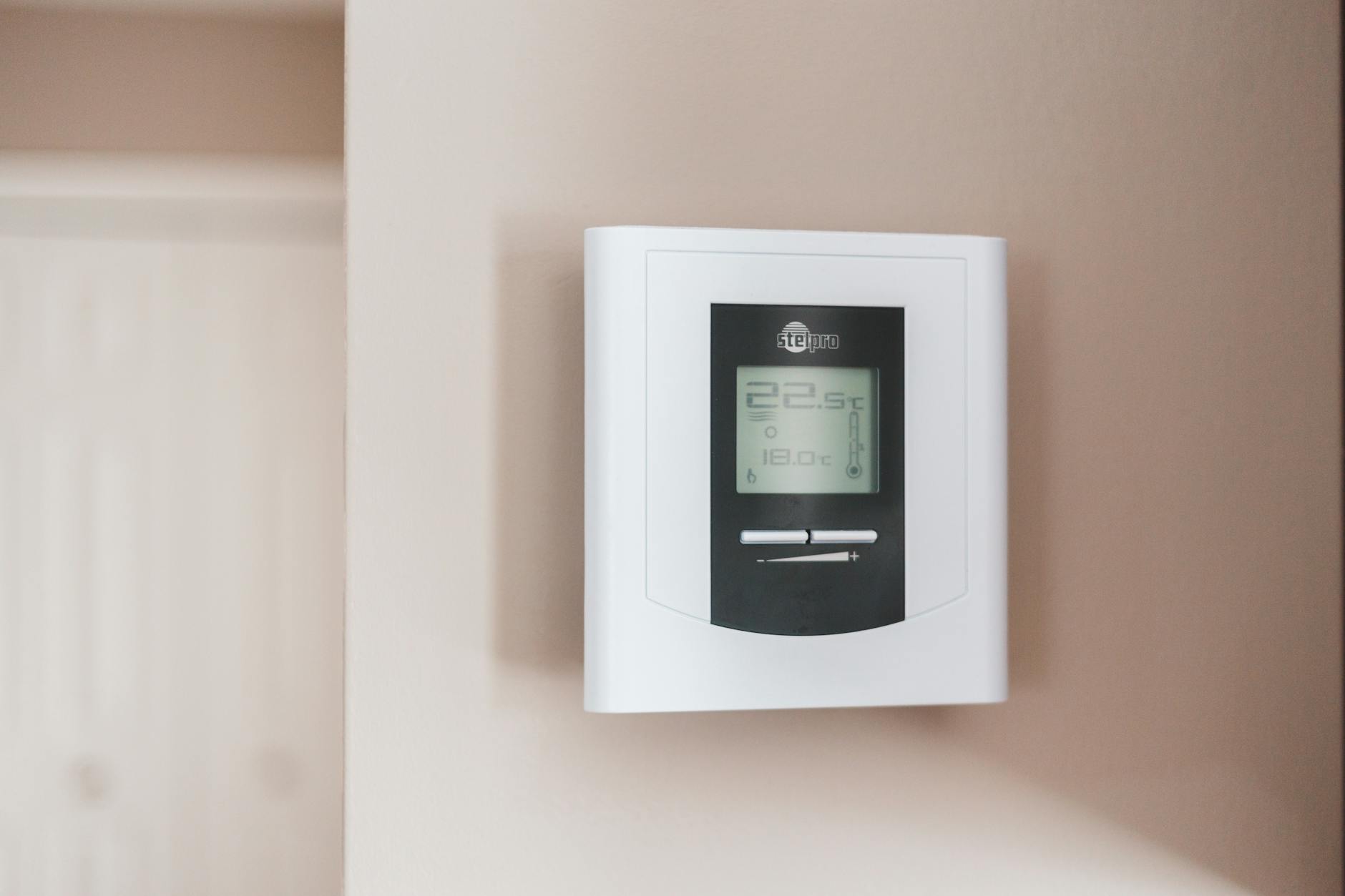
Why a single cold room matters to an SMB
When a homeowner in Colorado points out that the bedroom above the garage is consistently 5‑10 °F colder than the living room, the problem is rarely the thermostat. The root causes—exposure, insulation gaps, unbalanced airflow, and drafts—are well understood in residential heating. The same dynamics appear in small‑ and medium‑size businesses that struggle with uneven service levels, delayed ticket resolution, and rising operational costs.
1. Location & exposure: isolated teams and data deserts
Rooms that sit on north‑facing walls, beneath grade, or above unheated spaces lose heat faster because they receive less solar gain and more conduction to the outside. In an SMB, a "cold spot" often takes the form of a remote office, a newly created support channel, or a legacy system that sits outside the core tech stack. Those teams receive fewer data inputs, less real‑time visibility, and consequently slower response times.
For example, a 2023 benchmark from the Customer Service Institute showed that isolated support channels have an average first‑response time 18 % longer than integrated ones. The analogy is direct: just as a north‑facing room needs supplemental heat, an isolated team needs better data pipelines.
2. Insulation gaps: missing SOPs and knowledge‑base articles
Homeowners measure heat loss from poor insulation at up to 15 % of a house's total heating budget. In the business world, "insulation" translates to documented processes, standard operating procedures (SOPs), and a well‑structured knowledge base. When those resources are missing or outdated, agents spend extra time rediscovering solutions.
Industry studies estimate a 10‑20 % increase in handling time per ticket when the required article is absent. A quarterly audit—similar to a home‑inspection checklist—can surface these gaps before they affect customers.
3. Airflow & duct design: unbalanced workflow pipelines
Long, twisted ducts or undersized vents restrict the flow of warm air, sometimes raising energy consumption by 30 % for the same comfort level. In SMB operations, the equivalent is an overloaded ticket queue, an inefficient routing rule, or a manual hand‑off that creates bottlenecks.
Dynamic workload distribution, AI‑driven routing, or a simple rule‑engine can rebalance the "ducts" of work. Companies that implemented dynamic routing reported a 12‑18 % reduction in average resolution time.
4. Drafts & leakage: data leaks and fragmented tools
Even a 1‑inch gap around a window can let 5‑10 % of conditioned air escape each hour. Small data leaks—outdated CRM fields, unsecured APIs, or parallel communication platforms—have a similar cumulative effect on compliance risk and customer sentiment.
Regular security reviews and a data‑governance framework can "seal" these drafts. A 2022 survey of SMBs that tightened data governance saw NPS lift by 4‑6 points on average.
5. Inspection & continuous improvement: the operational health check
Homeowners rely on professional inspectors to locate cold rooms, test insulation, and evaluate ductwork. SMBs should adopt a comparable "inspection" cadence: quarterly operational health checks, performance dashboards, and process‑mapping workshops.
One practical output of such an inspection is a temperature‑audit matrix that scores each support channel on data flow, process completeness, and workload balance. In a recent pilot, 1 in 5 tickets traced back to a missing knowledge‑base article, prompting a targeted content sprint that cut repeat tickets by 14 %.
Actionable takeaways for SMBs
- Conduct a temperature audit. Rate every support channel, CRM integration, and remote office on a 1‑10 scale for data exposure, process insulation, and workload balance.
- Map workflow ducts. Visualize ticket routes, hand‑offs, and escalation paths. Use automation tools to equalize load across agents.
- Seal knowledge‑base gaps. Implement a weekly review cycle, assign owners, and track article usage metrics.
- Monitor drafts. Run quarterly data‑leak scans, enforce API authentication, and standardize communication platforms.
- Schedule bi‑annual inspections. Combine a technical health check with a process audit to keep the system balanced.
Comparative table of home issues and SMB equivalents
| Home Issue | SMB Equivalent | Typical Impact | Remediation |
|---|---|---|---|
| North‑facing room, garage underfloor | Isolated remote office or channel | +18 % response time | Integrate data feeds, improve network bandwidth |
| Missing or compressed insulation | Gaps in SOPs or knowledge base | +15‑20 % handling time per ticket | Quarterly content audit, SOP refresh |
| Undersized or kinked ducts | Unbalanced ticket routing, overloaded queues | +30 % energy (effort) cost | Dynamic routing, AI workload balancer |
| Window drafts, door gaps | Data leaks, unsecured APIs | Compliance risk, NPS dip 4‑6 points | Security review, data‑governance policy |
Integrating the analogy into daily operations
When the metaphor is clear, the actions become routine. Below is a sample weekly checklist that mirrors a homeowner's maintenance plan:
- Monday: Review ticket‑flow dashboards for imbalance signals.
- Wednesday: Scan knowledge‑base for articles with zero views in the past 30 days.
- Friday: Run a data‑leak test on all external integrations.
Each item takes under 30 minutes but collectively prevents the gradual "cold‑room" effect that erodes efficiency.
For a deeper look at how to structure an operational audit, see our operational audit guide. To explore automation options for workflow balancing, check out the workflow automation overview.
Financial perspective
Energy‑loss analogies help quantify the business impact. If a cold room adds 15 % to a home's heating bill, an equivalent process gap can raise an SMB's support cost by a similar margin. For a company spending $250,000 annually on support operations, sealing a 15 % inefficiency saves $37,500 per year—money that can be redirected to growth initiatives.
Regulatory compliance reminder
Any monitoring of data flows, especially when it involves personal information, must respect GDPR, CCPA, and local privacy laws. Ensure that consent mechanisms, data‑processing agreements, and retention policies are in place before deploying automated inspection tools.
Not sure which operational model fits your business? Reach out to the Pemlix team for a free, no‑obligation assessment to help you identify the right approach.